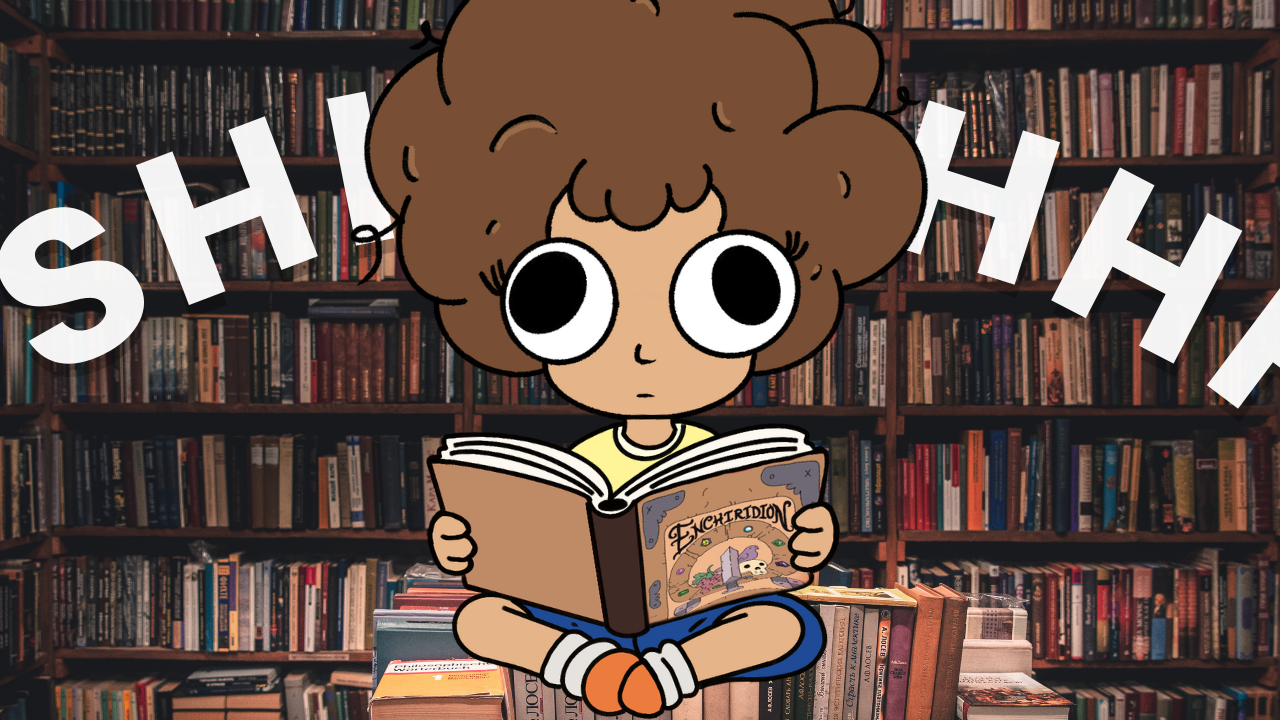
I Made Noise In A Library
Words by
Triston
"Yaps on Record"
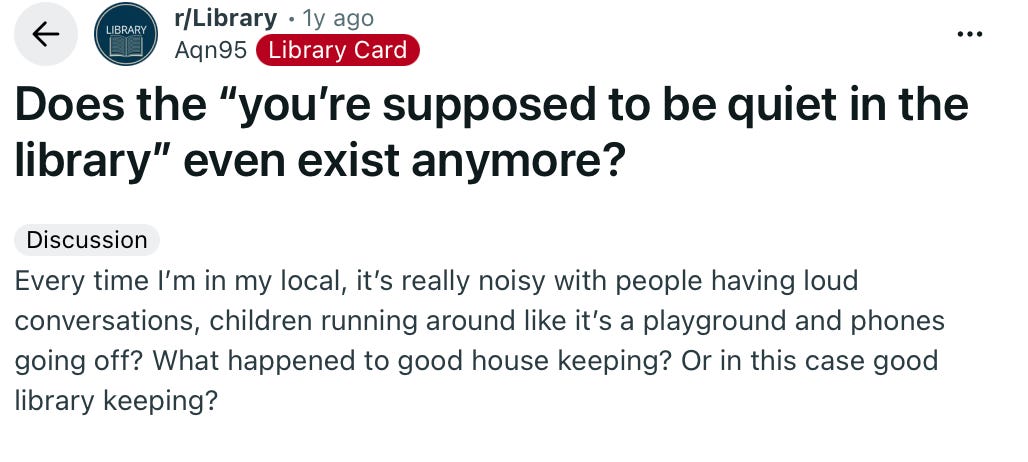
Why is there a rule to be quiet in the library?
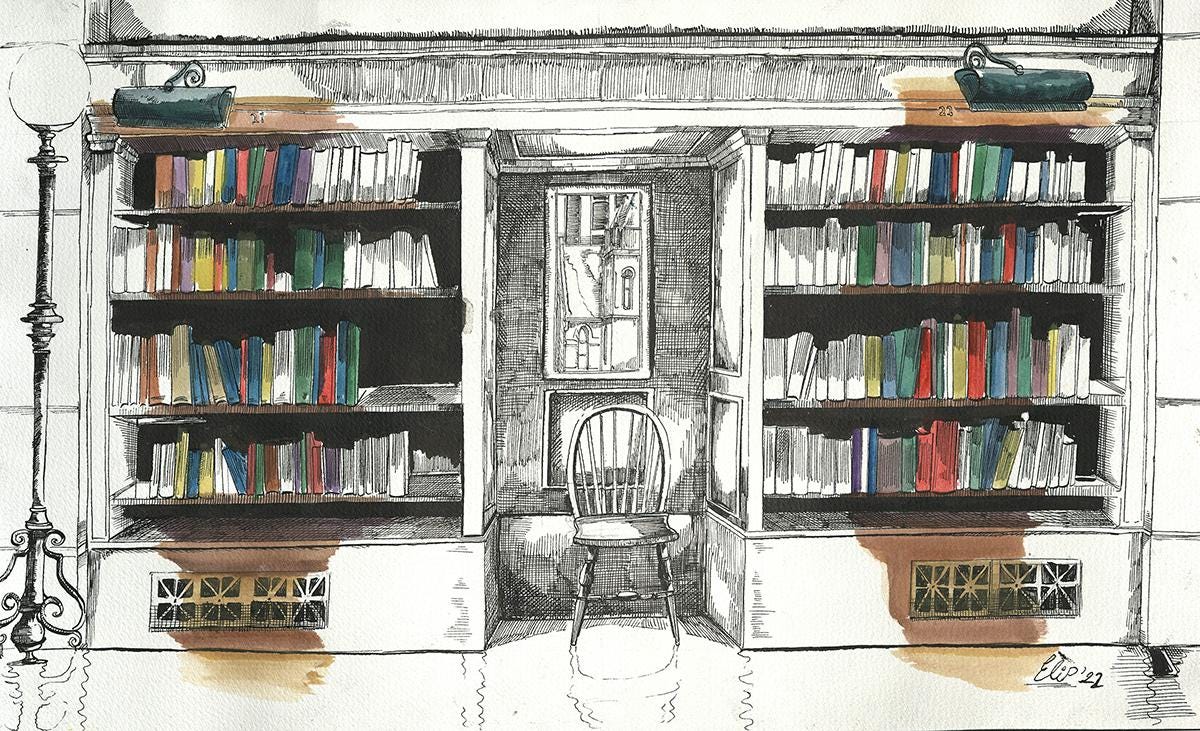
Libraries are one of the few indoor environments where people are not required to spend money, produce content, or justify their presence.
They exist to collect, preserve, and share knowledge, but they haven’t always sounded the way they do today.
Brief History of Silence in Libraries
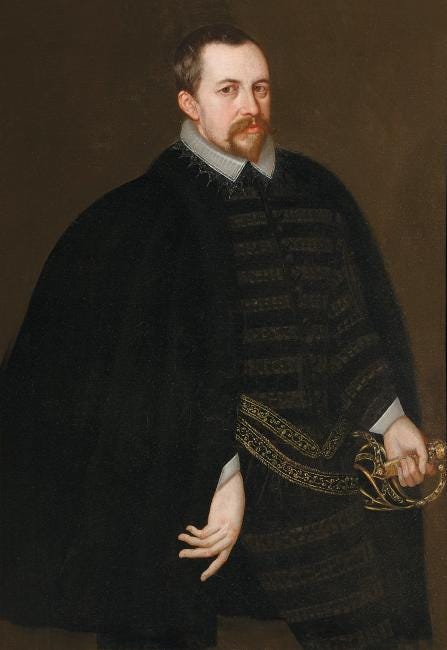
In the early 17th century, Sir Thomas Bodley established strict rules for his library at Oxford, requiring readers to swear an oath to study with “modesty and silence,” not deface books, and obey all regulations. Readers still lowkey take a version of this oath today, preserving the historic emphasis on quiet and reverence for knowledge.
Silence as Status and Control
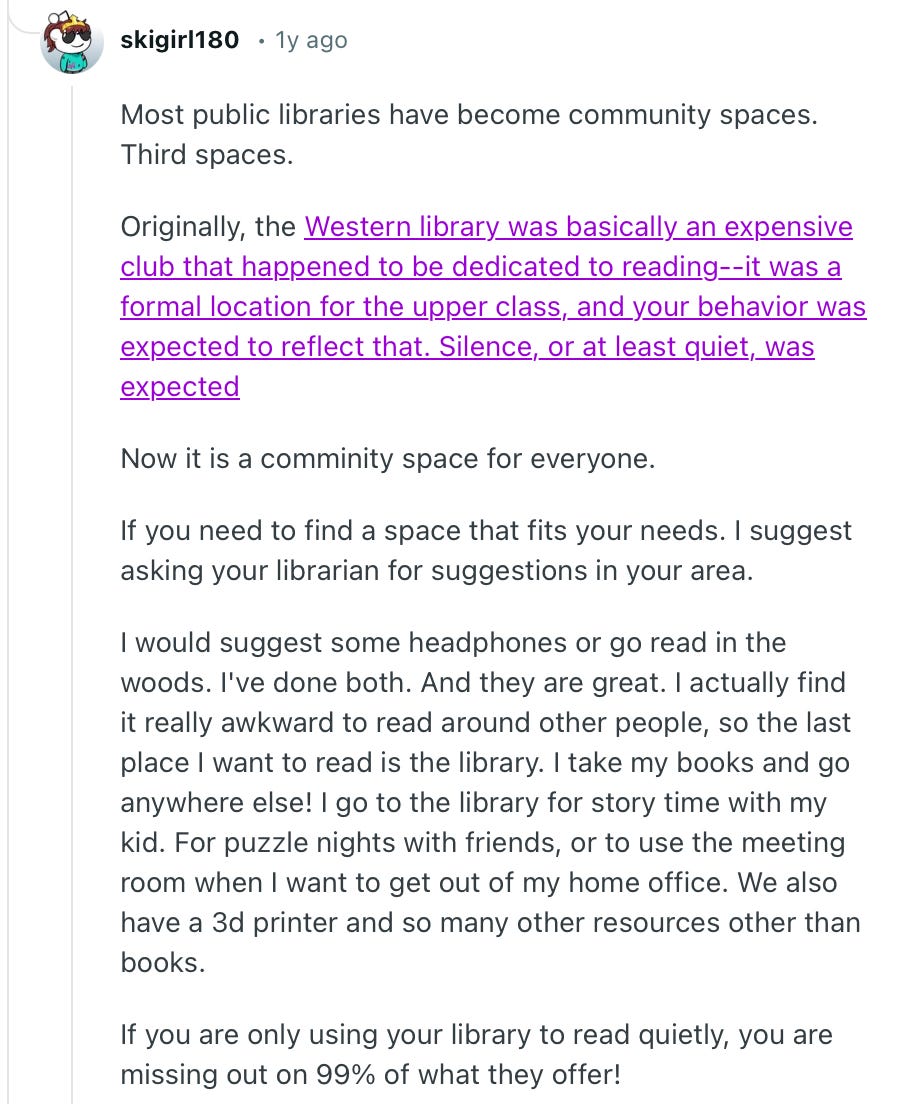
Historically, Western libraries were not public spaces. They functioned more like private clubs & formal institutions built for the upper class. Reading was treated as a refined, individual activity. In many Western cultures, silence is associated with order, discipline, and civility. Libraries inherited these values, becoming spaces where knowledge was treated as sacred.
By the mid-1800s, libraries began shifting toward public access, as tax-supported libraries rose in the United States. However, while access expanded, behavioral expectations remained unchanged.
Silence as Privilege
Silence is often regarded as a matter of etiquette or even control, but it can also be understood as a form of access.
Not everyone has a home environment that allows for uninterrupted focus. Many people live in crowded spaces, share rooms, or exist in constant noise. Silence, for them, is not a given; it’s a rarity.
When libraries provide quiet study spaces, they aren’t enforcing behavior so much as offering a resource. Silence becomes a form of public infrastructure.
Today, libraries serve as community hubs, third spaces, and creative centers. They host events, offer job assistance, provide recording rooms, and still, the expectation of quiet persists.
76% of Americans say it’s “very important” for libraries to provide quiet study spaces. Silence remains valued, but libraries today are also places to gather, create, collaborate & connect. They host events, record music, teach classes, and build community.
Closing Thoughts
I recently went back home and picked up a library card so I could read audiobooks on my Kindle via apps like Libby & hoopla. I haven’t really stepped into a library in at least 6 years. When i was really little I’d go to the local library and check out my fav mangas like yotuba and ponyo and fire comics of course. If you’ve seen the last vid I did, which, if you haven’t, you should watch it after reading this, because I talk a bit about nostalgia and getting back into physical media I used to love and engage in every day before and after school!
BUT just because you’re supposed to be quiet in the library doesn’t mean there isn’t any noise. Here’s a lil beat I made with library sounds!
Thank you so much for reading my yap! If you want to watch the lovely YouTube video paired with this Substack, you can find it below :D
3 Song Recs:
What I listened to while I wrote this:
Resources:
https://publiclibrariesonline.org/2013/03/quiet-spaces/
The Washington Post: It’s okay for libraries to be loud! Take it from me, a librarian
The evolution of libraries to the 21st century (Infographic)
https://youtube.com/shorts/4YWpJBZ4WSg?si=xSCxYayydxscMUqs
https://www.historyofinformation.com/detail.php?id=33#:~:text=Together%20with%20its%20mission%20of,05%2D27%2D2015.)
Originally published on Substack